
Hyundai Brake Pads
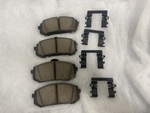
Brake Pads
Brake Pads

Brake Pads


Brake Pads

Brake Pads

Brake Pads


Brake Pads

Brake Pads
No results found for "brake pads". Here are some helpful search tips:
- Search by a part name. Example: water pump.
- Be less specific. Example: brake instead of ceramic brake.
- Remove information such as make, year or model.
- Can't find the part you are looking for? Contact us and we'll find it for you!
Keep Your Hyundai Stopping Safely
Hyundai brake pads are one of the most important maintenance parts on your vehicle. They help your Hyundai stop smoothly, protect related brake components, and support everyday driving confidence. Choosing genuine Hyundai OEM brake pads helps protect fitment, reliability, and warranty-safe repairs while reducing the risk of premature wear from poorly matched aftermarket parts.
Practical Brake Maintenance for Daily Hyundai Drivers
Your Hyundai’s braking system works every time you commute, sit in traffic, park on hills, or drive in bad weather. Over time, brake pads wear down from normal use. If they get too thin, you may notice squeaking, grinding, longer stopping distance, vibration, or a brake warning concern.
Replacing worn pads on time is a smart way to help avoid more expensive repairs. Waiting too long can place extra wear on rotors, calipers, and other brake hardware. For budget-conscious Hyundai owners, the right brake pads can support long-term value without adding guesswork to a routine maintenance job.
What This Category Includes
- Genuine Hyundai brake pads for front and rear applications
- Disc brake pad sets for select Hyundai models
- Brake pad hardware, clips, pins, and related service pieces
- Brake pads matched by model, trim, production details, and brake package
- OEM brake maintenance parts for daily driving and scheduled service
Why Genuine Hyundai OEM Brake Pads Matter
Genuine Hyundai OEM brake pads are made to work with Hyundai braking systems, including the correct size, shape, friction material, and fitment details for your vehicle. That matters because brake parts are not one-size-fits-all.
Aftermarket pads may appear similar, but small differences can affect noise, feel, wear, and installation. OEM pads help keep the repair warranty-safe because they are built to Hyundai specifications. For daily drivers, that means practical stopping performance, fewer fitment concerns, and better long-term confidence from a part made for the vehicle.
How to Choose the Right Hyundai Brake Pads
Start with your Hyundai’s year, model, trim, and brake position. Front and rear brake pads are different, and some vehicles use different pads depending on wheel size, drivetrain, production date, or brake package.
Check your Owner’s Manual for maintenance guidance and inspect related parts during service. If rotors are deeply scored, warped, or worn below specification, replacing only the pads may not solve brake noise or vibration. It is also smart to check caliper hardware and brake clips while the system is apart.
Hyundai Fitment Guidance: Use VIN, Year, and Trim
The best way to order Hyundai brake pads is by confirming fitment with your VIN. Hyundai brake parts can vary across trims, production ranges, front or rear positions, and model generations. Using your VIN helps reduce returns and makes it easier to order the correct parts the first time.
Before checkout, confirm whether you need front pads, rear pads, or a full brake service. This is especially important for models with multiple brake options.
Helpful Hyundai categories
For model-specific fitment, start with popular Hyundai model pages like Hyundai Elantra parts, Hyundai Sonata parts, Hyundai Tucson parts, and Hyundai Santa Fe parts. For related maintenance, shop Hyundai brake pads, Hyundai brakes, and Hyundai brake rotors.
Key Takeaways
- Hyundai brake pads support safe, smooth everyday stopping.
- OEM pads help protect fitment and warranty-safe maintenance.
- Always confirm front or rear position before ordering.
- Use your VIN to match brake pads by exact model, trim, and brake setup.
- Replacing worn pads on time can help prevent higher repair costs later.
Frequently Asked Questions
How do I know when Hyundai brake pads need replacement?
Common signs include squeaking, grinding, vibration, longer stopping distance, or a brake warning light. A visual inspection can confirm pad thickness.
Should I replace front and rear Hyundai brake pads at the same time?
Not always. Front and rear pads wear at different rates. Replace the set that is worn, and inspect the other axle during service.
Are OEM Hyundai brake pads worth it?
Yes. OEM Hyundai brake pads are built for proper fit, reliable braking feel, and warranty-safe maintenance.
Do I need new rotors with new brake pads?
Not every time. Replace or service rotors if they are warped, deeply scored, too thin, or causing noise or vibration.