
Hyundai Oxygen Sensors
Hyundai oxygen sensors monitor the exhaust and send readings to the engine control module. Once the engine is warmed up, the computer uses that information to adjust fuel delivery. Sensors mounted after the catalytic converter have a different job: they help track how the emissions system is operating. Depending on the engine and exhaust layout, a Hyundai may use two, three, or four sensors in different banks and positions.
Shop genuine Hyundai oxygen sensor options for models such as the Accent, Elantra, Sonata, Venue, Kona, Tucson, Santa Fe, and Palisade. OEM sensors match the original connector, wire length, thread size, and vehicle-specific calibration. Browse the available Hyundai oxygen sensor parts online, then use your VIN to confirm the correct application before ordering.

Rear Speed Sensor

Pedal Travel Sensor
Ambient Temp Sensor

Rear Speed Sensor
Front Speed Sensor
Front Speed Sensor

Rear Speed Sensor

Camshaft Sensor Bolt
Pedal Travel Sensor

Ft Impact Sensor
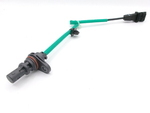
Crankshaft Position Sensor
No results found for "oxygen sensor". Here are some helpful search tips:
- Search by a part name. Example: water pump.
- Be less specific. Example: brake instead of ceramic brake.
- Remove information such as make, year or model.
- Can't find the part you are looking for? Contact us and we'll find it for you!
Diagnosing and Replacing a Hyundai Oxygen Sensor
TL; DR: Find the exact bank and sensor number before choosing a part. A trouble code identifies the circuit where a problem was detected, but it does not always prove that the sensor has failed. Inspect the wiring, exhaust, fuel, and ignition systems before moving ahead with a Hyundai oxygen sensor replacement.
An oxygen sensor may fail electrically, respond too slowly, or send readings that no longer reflect the actual exhaust mixture. A damaged heater can keep the sensor from warming up properly after startup. Oil, coolant, or excess fuel can coat the sensing element and slow its response. Some drivers notice rough running or increased fuel use, while others only see a check engine light.
What the Sensor Number Tells You
Diagnostic descriptions normally include a bank and a sensor position. Sensor 1 is usually installed before the catalytic converter and provides information used for fuel-trim adjustments. Sensor 2 sits farther downstream and monitors converter operation. On engines with two cylinder banks, Bank 1 identifies the side that contains cylinder number one. Checking the full location helps prevent a similar-looking sensor from being installed in the wrong position.
Three Checks That Can Prevent a Repeat Repair
Start with the wiring near the exhaust. Melted insulation, corrosion, or a loose connector can interrupt the heater or signal circuit. Next, inspect the exhaust, especially the area ahead of the sensor. A small leak can pull in outside air and create a false lean reading. It is also worth checking combustion-related parts. Worn spark plugs, a weak ignition component, or restricted fuel filters can all change the exhaust mixture enough to affect sensor data.
A new sensor will not fix a vacuum leak, misfire, damaged wire, or fuel-pressure problem. Correcting the original fault first may keep the replacement from becoming contaminated and reduce the chance of the warning light returning.
Why Sensor Calibration and Heater Design Matter
A genuine Hyundai oxygen sensor is made to produce the signal expected by the vehicle’s engine computer. It also matches the factory heater resistance, electrical connector, mounting threads, and lead length. Some universal aftermarket sensors need to be spliced into the existing harness. Since that connection sits close to a hot exhaust system, it can become another potential failure point. OEM construction keeps the original-style connector and wiring arrangement.
The right part can vary by engine size, drivetrain, production date, and federal or California emissions equipment. Low charging-system voltage can also affect heater-circuit testing. When diagnosis points to a voltage issue, check the battery and browse alternators as part of the repair. Basic maintenance matters as well. Clean air filters help the engine receive consistent airflow information.
Key Takeaways
- Bank and sensor position matter just as much as year and model.
- A heater-circuit code may be caused by wiring or low voltage.
- Exhaust leaks and misfires can produce symptoms that resemble sensor failure.
- VIN verification can account for production-date and emissions differences.
Frequently Asked Questions
What is closed-loop operation?
Closed-loop operation begins when the engine computer starts using oxygen sensor feedback to make ongoing fuel adjustments. A slow sensor or failed heater may delay that process.
Can I clean a Hyundai O2 sensor instead of replacing it?
Cleaning is not usually a dependable fix for a sensor that has failed electrically, responds slowly, or is heavily contaminated. Proper testing should identify whether the problem comes from the sensor, its wiring, or another vehicle system.
Does every oxygen sensor use the same connector?
No. Connector shape, pin layout, wire length, heater specifications, and calibration may differ by engine and installation position, even within the same model year.